When people hear "drugs," they often picture the most extreme examples.
But that's not what we're talking about. We're talking about what young people actually encounter.


That Includes:
- Alcohol — Legal for adults. Present in most households.
- Nicotine / Vapes — Heavily marketed. Designed to appeal to young people.
- Cannabis — More available and more potent than ever.
- Prescription Medications — Can come from your own medicine cabinet.
- Illegal Drugs — Including counterfeit pills and fentanyl.
One thing in common: They all affect how the brain works.

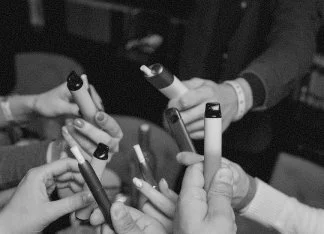
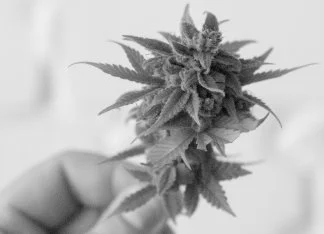
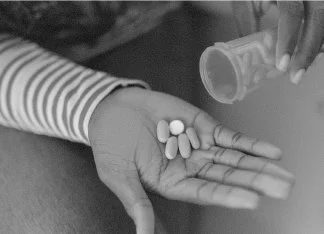
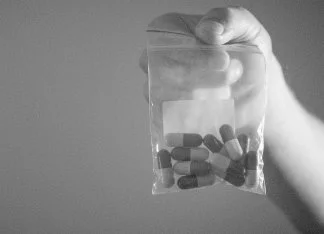
Some feel normal. Some don't.
Substances range from feeling completely normal to obviously risky: Alcohol, Nicotine/Vapes, Cannabis, Prescription Medications, and Illegal Drugs.
- Legal can still be harmful.
- Normal doesn't mean harmless.
- Familiar is not always safe for a developing brain.
New substances keep emerging. Kratom is one example.
Why This Matters
The brain develops from age 10 to 25. The earlier substances are introduced, the more opportunity they have to shape what the brain expects for life.
This isn't about one drug. It's about understanding how all substances affect the brain.
When We Say Substances
We're talking about the things many young people see every day. Understanding the landscape is the first step.
The conversation doesn't have to be perfect. It just has to happen.
Explore how different substances affect the brain.