

You know what's surprisingly powerful?
Feeling like your teen has someone who gets them.
Scroll to explore
Connection isn't about
Perfect parents. Perfect Families. Perfect relationships.


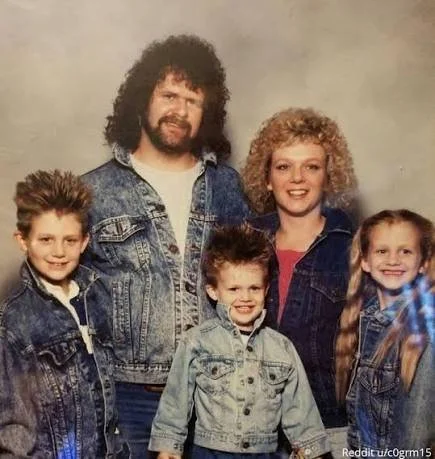
It’s About
Someone picking up. Someone checking in. Someone noticing. Someone staying.
That matters more than it might seem.
Researchers consistently find that teens with trusted adults, supportive relationships, and strong communities are less likely to use substances.
More people to call.
Because they have support.
When life gets hard, they have more places to go.
More ways through.
The question isn't whether your teen will look for those things. They will.
Where will they find it? Adventure, Relief, Belonging, Challenge, Connection, Purpose, Confidence
Tap any name to learn more.
Hey. Parents.
You don't need the perfect speech.
You don't need all the answers.
You don't need to know every substance, trend, app, or slang term.
You just need to stay in it.
to their kids about drugs and alcohol.
had the same conversation.
That's not a failure.
It's an invitation.
Stay Curious
Stay Curious
When was the last time you asked your teen something that wasn't about school, chores, or logistics?
Ask them about their life.
What's the most annoying part of your day?
What do you think is genuinely hard about being a teenager right now that people don't talk about?
Is there anything you've been thinking about a lot lately?
What games are you playing?
What's something you've seen online lately that actually stuck with you?
If you could change one thing about school, what would it be?
When you’re ready, talk to your kids about substance use.
It doesn’t have to be perfect, it just has to happen. More than once.
1. Start with a question.
Ask what they're seeing, hearing, or wondering about. ("What are kids saying about vaping/weed/drinking at school?")
2. Listen more than you talk.
Stay curious. Resist the urge to jump straight into a lecture or correction.
3. Remember: it's not the same as when you were growing up.
You were a kid once, too — but not today. Listen first. Then share what you know.
4. Come back to it.
The best conversations aren't one big talk. They're a hundred little ones. Keep checking in — even if it's brief or awkward.
How’s the conversation going?
We know the best conversations go both ways. Tell us what you’re talking about, what you’re hearing and what you wish someone would ask.